


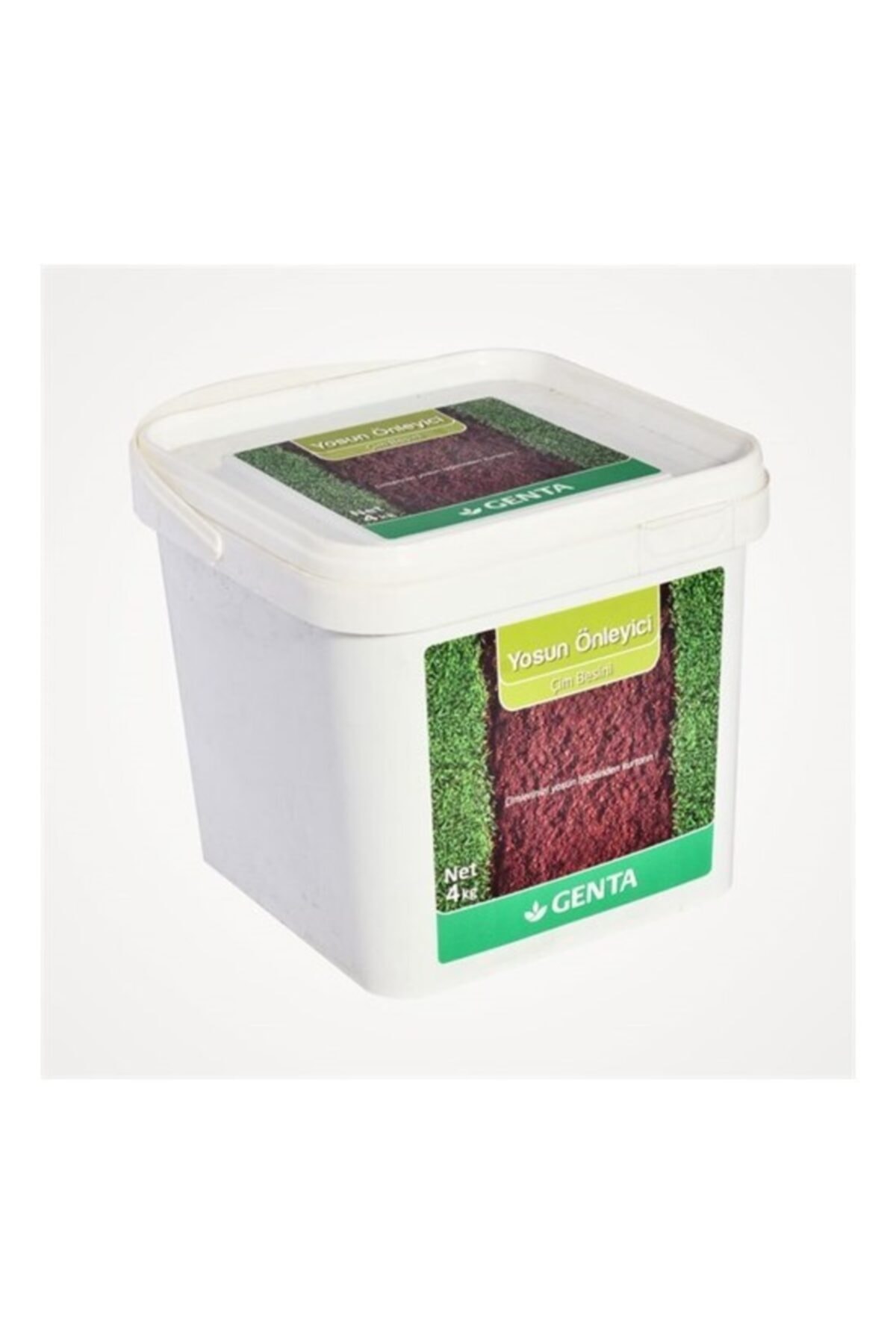
-
Algae formations in the grass indicate weak soil and poor growing conditions as a result of low pH, hard soil surface, damp and airless soil, poor drainage, insufficient sun exposure, etc.
-
Algae are seen in soils poor in nutrients and organic matter and poor drainage, especially in areas with abundant shade
-
In soils with low air and water permeability, the grass cannot develop and spread healthily and leaves gaps between them where algae can settle.
-
In order to reach a definite result in the long term, you should especially solve the drainage problem of the field and increase the permeability of the soil.
-
If the drainage problem is large, it may be necessary to seek professional help for a deep-rooted solution.
-
Place, Type and Time of Use The recommended amount of use (dose) is 60 grams per m².
-
It should be used especially in spring or autumn.
-
Preferably evenly distribute 1.5 to 2 handfuls of food per m² on wet grass
-
if the algae density is high, increase the dose of use by 2 times.
-
Perform the application on the entire area, including the places where algae formation is not visible.
-
In dry weather, water very little 2 to 3 days before application.
-
A few days after the application, the color of the dead algae will turn black.
-
Clean the grass area by carefully scraping the algae residues with a suitable rake or preferably a special grass blade without damaging the grass.
-
There will be gaps in the grass areas with the death of algae.
-
With Genta Repair Grass Seed, you can sow these empty areas and provide a quick repair.
-
If you see algae formation again, repeat the same application after a few months.
-
Do not use on plants other than grass.
-
(1 handful of product is about 35 grams.
•
•
•
•
•
•
•
•
•
•

favorite
Favoritesaccount_circle
Sign Inshopping_bag
Cart Catalogue
